Stearic Acid – Technical FAQ for International Buyers
Q1: What purity level of Stearic Acid is suitable for industrial vs. cosmetic applications?
A:
For industrial applications (rubber, plastics, coatings), Stearic Acid with ≥98% purity is generally sufficient and cost-efficient.
For cosmetic and personal care formulations, buyers usually require higher purity, low odor, and controlled iodine value, often with tighter batch consistency and cosmetic-grade compliance.
Q2: Why is acid value so critical in Stearic Acid procurement?
A:
The acid value directly reflects the fatty acid content and impacts reactivity, lubrication performance, and dispersion.
In rubber and PVC processing, unstable acid value can lead to poor processing efficiency or inconsistent mechanical properties.
Our Stearic Acid is produced with tight acid value control (typically 195–210 mg KOH/g) to ensure batch-to-batch consistency.
Q3: How does iodine value affect Stearic Acid performance?
A:
The iodine value indicates unsaturation level.
A low iodine value (≤1.0) means better oxidation resistance, thermal stability, and longer shelf life, which is essential for rubber vulcanization, plastics extrusion, and long-term storage.
Q4: Is Stearic Acid derived from palm oil or animal fat, and does it matter?
A:
Yes, Stearic Acid can be vegetable-based (palm) or animal-based (tallow).
Many international buyers, especially in Europe and North America, prefer vegetable-based Stearic Acid due to regulatory, sustainability, or consumer perception requirements.
We can supply vegetable-based Stearic Acid upon request, with clear origin declaration.
Q5: What causes variation in melting point, and why is it important?
A:
Melting point is influenced by fatty acid composition and purity.
Stable melting point (typically 69–70°C) ensures predictable processing behavior, especially in candle making, cosmetics, and plastic compounding.
Unstable melting point may lead to uneven mixing or processing delays.
Q6: How does Stearic Acid function in rubber compounding?
A:
In rubber formulations, Stearic Acid acts as an activator and lubricant, improving the efficiency of zinc oxide activation and enhancing vulcanization control.
Incorrect grade or inconsistent quality can result in longer curing times or reduced tensile strength.
Q7: What documents should a reliable Stearic Acid supplier provide?
A:
A qualified supplier should always provide:
- COA (Certificate of Analysis)
- MSDS / SDS
- TDS (Technical Data Sheet)
- Origin and specification confirmation
- Compliance statements if required (REACH, cosmetic standards)
Q8: What are common storage and handling issues with Stearic Acid?
A:
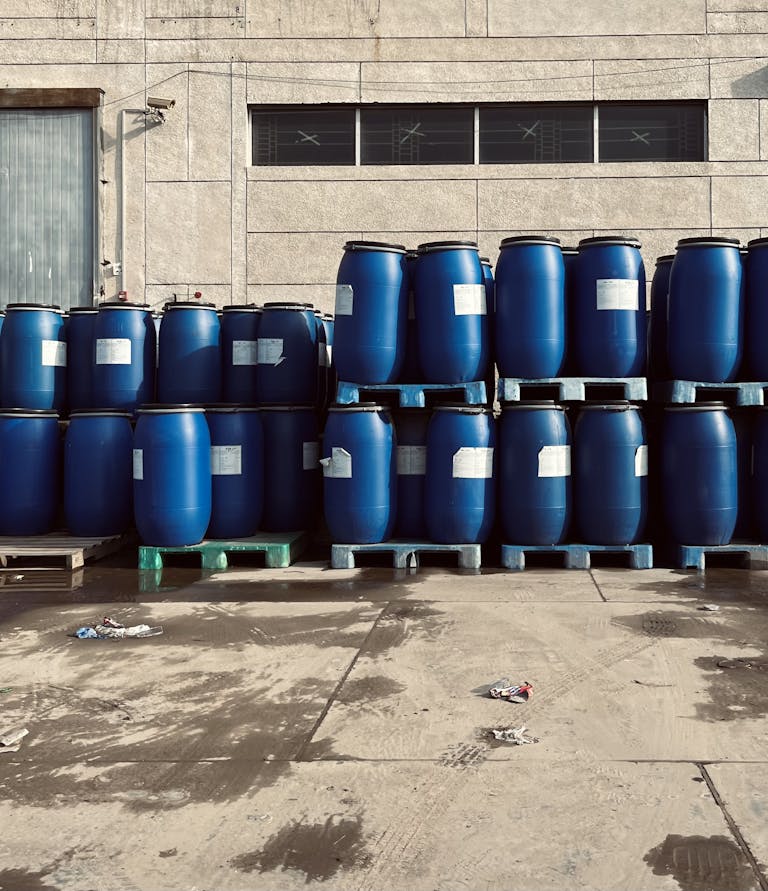
Stearic Acid should be stored in a cool, dry, well-ventilated area, away from moisture and strong oxidizers.
Improper storage may cause caking, contamination, or quality degradation over time.
With proper storage, Stearic Acid typically has a 24-month shelf life.
Q9: Can Stearic Acid be customized for specific applications?
A:
Yes. Key parameters such as purity, particle form (flakes or powder), packaging size, and fatty acid composition can be customized to suit rubber, plastics, cosmetics, or specialty chemical applications.
Q10: What are the main risks when sourcing Stearic Acid internationally?
A:
The most common risks include:
- Batch inconsistency
- Hidden specification deviations
- Unclear origin of raw materials
- Unstable long-term supply
Working with a direct manufacturer (Julanchem) with export experience significantly reduces these risks.